
Last Updated: November 12, 2026
Quick Summary
What size baseball glove for outfield players usually runs 12.5 to 13 inches for adults and 11.5 to 12.25 inches for youth. Outfield gloves are longer than infield models, giving you a wider catching area for fly balls. Your hand measurement should guide the final choice.
- Adult outfield gloves usually measure 12.5 to 12.75 inches, per Wilson's official sizing chart.
- Youth outfield gloves typically measure 11.5 to 12.25 inches, according to Rawlings' youth sizing guide.
- The maximum allowable glove length in professional play is 13 inches under Baseball Rule 3.0.
- Measure fingertip to wrist base on your throwing hand, since hand size can matter more than age.
- Infield gloves usually measure 11 to 11.75 inches, so outfield gloves run noticeably longer.
Table of Contents
- What Size Baseball Glove Do Outfielders Usually Use?
- Baseball Glove Size Chart by Age for Outfielders
- What Size Baseball Glove for Outfield Youth Players
- What Size Baseball Glove for a 13 Year Old Outfielder
- Choosing Your Outfield Glove Size and Taking Your Next Step
- Frequently Asked Questions
What Size Baseball Glove Do Outfielders Usually Use?
Most outfielders play with a glove between 12 and 13 inches long. Among professional outfielders, 99% use a glove in the 12.75 to 13 inch range, according to What Pros Wear equipment usage analysis. That tells you where the standard sits at the highest level.
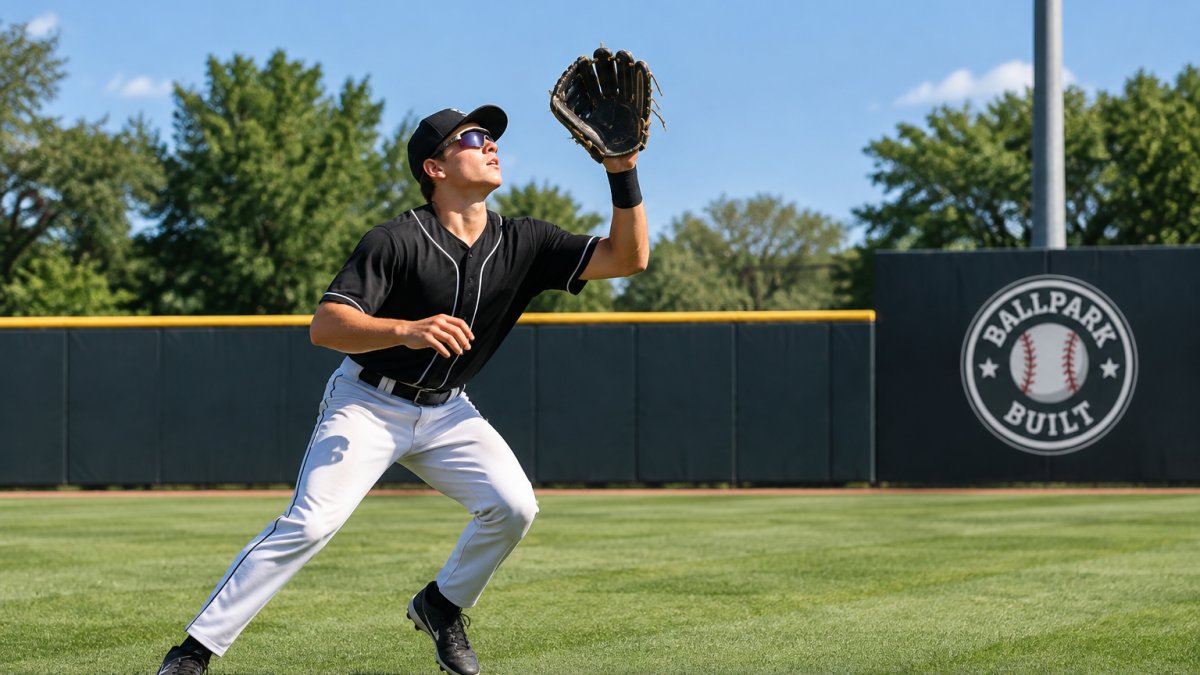
Adult outfield gloves usually run from 12.5 to 12.75 inches, based on Wilson's official sizing chart. Youth outfield gloves are smaller, typically 11.5 to 12.25 inches, per Rawlings' youth sizing guide. Those numbers are a starting point, not a rule.
The league rules set a ceiling. The maximum allowable glove length in professional play is 13 inches, as described in Umpire Bible's summary of Baseball Rule 3.0. So a bigger glove is not always a better one.
Outfield gloves are longer than infield models for a reason. The extra length and longer finger stalls give you a wider catching area for fly balls, as explained in the Infield vs Outfield Glove size and position guide. Infield gloves usually measure 11 to 11.75 inches, so the difference is real.
Watch out: a glove that is too big can slow your hands on quick hops. Test a few sizes before you commit.
Baseball Glove Size Chart by Age for Outfielders
Use this as a starting reference, then confirm the fit with your actual hand measurements. The chart narrows the search; your hand closes the deal.
| Age Group | Outfield Glove Length | Typical Use | Hand Measurement Check |
|---|---|---|---|
| Ages 7 to 9 | 11 to 11.75 inches | Youth outfield, first real leather | Fingertip to wrist base under 6 inches |
| Ages 10 to 12 | 11.5 to 12.25 inches | Youth outfield play | Fingertip to wrist base 6 to 6.5 inches |
| Ages 13 to 15 | 12.5 to 12.75 inches | Transition to adult patterns | Fingertip to wrist base 6.5 to 7 inches |
| Ages 16 and up | 12.5 to 13 inches | Adult outfield standard | Fingertip to wrist base 7 inches and up |
| Pro and college outfield | 12.75 to 13 inches | Highest allowed size | Fit confirmed by feel and closure |
Outfield Glove Length
Age is only a guide. Hand size, arm length and position matter just as much. A tall 12-year-old with big hands may fit a larger pattern than a smaller 14-year-old. That is why the fourth column exists: measure from the tip of your longest finger to the base of your palm where it meets the wrist, then compare that number to the row. If your hand measurement lands in a different row than your age, trust the hand measurement.
Here is how to run the check in a store or at home:
- Measure your throwing hand, since that is the hand wearing the glove.
- Slide the glove on and let your fingers settle into the stalls. If your fingertips press hard against the ends, the pattern is too small.
- Close the glove. The heel should meet the thumb with light pressure, not a fight.
- Reach for a ball. If the pocket swallows the ball past the palm, the pattern is too deep for quick transfers.
Right fielders sometimes choose a slightly smaller glove because they make quicker throws. Center fielders often favor the longest pattern they can control, since range matters more than a fast release.
Watch out: a chart row is not a guarantee. Two players the same age can have hands an inch apart in length, and that inch changes which pattern closes cleanly.
What Size Baseball Glove for Outfield Youth Players
Youth outfielders usually fit best in gloves between 11.5 and 12.25 inches. That range comes from Rawlings' general sizing guide for youth athletes. Pick a size that lets you close the glove around the ball without fighting the leather.
Here is the part most guides skip: age tells you less than hand size does.
Weight matters just as much as length for young outfielders. A longer pattern carries more leather, and more leather means more mass at the end of the arm. An oversized outfield glove can add weight that tires out young arms over a long tournament weekend.
Young players grow fast, so a glove that feels right in the spring may feel small by fall. Plan to size up as your hands and arms grow, rather than buying a glove you will outgrow within a season.
Parents often ask whether they should buy a bigger glove so their child can grow into it. A glove that is too large is hard to control, and it can make catching routine balls harder. Fit matters more than future-proofing.
Break-in time also matters for youth players. Stiff leather takes longer to form a pocket, so start working the glove early in the season.
Watch out: do not size up two inches to save a purchase. A glove the player cannot close teaches bad catching habits that take a season to undo.
What Size Baseball Glove for a 13 Year Old Outfielder
A 13-year-old outfielder is at the point where many players move toward adult sizing. Industry guidance suggests that a glove between 12.5 and 13 inches works best for early teens who play outfield as their main position, according to JustBallGloves' guide to sizing a baseball glove.
That range overlaps the adult standard, so a 13-year-old can often start in an adult outfield pattern. Hand size is the deciding factor. If your fingers reach comfortably to the end of the stalls and the glove closes without strain, the size is likely right.
Transitioning from a youth glove is a big step. A jump from 12 inches to 12.75 inches changes how the glove feels on every catch. Try the new size in practice before a game, and give yourself a few sessions to adjust.
Watch out: do not buy a glove only because an older teammate uses it. Your hand size and arm length determine what fits.
Choosing Your Outfield Glove Size and Taking Your Next Step
Start with your age and position, then check your hand size. Outfield gloves usually run 12 to 13 inches, and the right choice depends on how the glove feels when you close it around a ball.
Every glove needs a break-in period. Work the pocket with a ball, shape the palm and play catch before you use it in a game. For a practical overview of the process, see How to break in baseball gloves without damaging the leather.
If you are ready to shop, browse our fielding gloves to find a style and size that fit your game. Once you know the size you need, check out the Ballpark Built fielding glove, made from premium full-grain kip leather with a game-ready pocket.
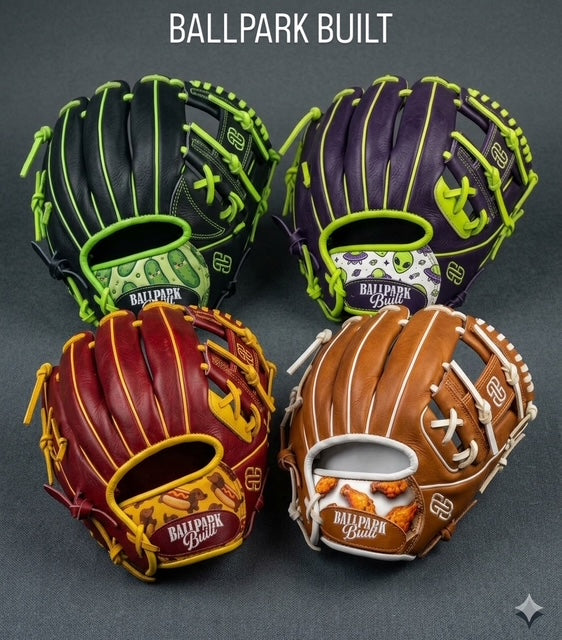
Playing at a higher level? Our guide on choosing the best baseball glove for college players covers fit, position and budget. For a wider look at what the market offers, compare top baseball gear brands for 2026 before you buy.
Shop the Drop and find a glove that stands out on the diamond.
Frequently Asked Questions
What is the best size glove for outfield?
Most adult outfielders use a glove between 12.5 and 12.75 inches, and that is the range most professional outfielders play with. Adult outfield gloves generally fall in that window, and professional play does not allow gloves longer than 13 inches. Pick the largest size in that range you can still control comfortably, since a glove that is too heavy or too stiff slows down your transfer. If you are unsure, try a few sizes on in the store and make sure you can close and open the glove quickly.
Can you play outfield with a 12 inch glove?
Yes, you can play outfield with a 12-inch glove, especially at the youth and high school levels. Many players at those levels use gloves in the 12-inch range, and general sizing guides list outfield gloves across a wide range of lengths. A 12-inch glove gives less surface area for fly balls than a 12.75-inch model, so it is worth testing whether it tracks and secures balls well for your position. If you are moving up to competitive play, check whether a slightly larger pattern feels better in your hand.
What size baseball glove should a youth outfielder use?
Youth outfield gloves for ages 7 to 12 typically range from 11.5 to 12.25 inches, according to common youth sizing guidance. Younger players often do best with the smaller end of that range because the glove is easier to control and lighter to carry for a full game. As players grow, they can move up in size gradually. Always make sure the glove fits the player's hand and that the pocket sits where the ball naturally lands.
How do you measure a baseball glove?
Glove size is measured from the top of the index finger stall, along the length of the glove, down to the base of the heel. Lay the glove flat on a table with the fingers closed and measure in a straight line, not along the curve. Outfield gloves are usually longer than infield gloves because they need a wider catching area for fly balls. Compare your measurement to the manufacturer's sizing chart, since patterns can vary between brands.
