
Last Updated: November 11, 2026
Quick Summary
Expensive baseball gloves are worth it only up to a point. Midrange gloves deliver a noticeable jump in feel, shape retention, and durability over entry-level models, while premium gloves mostly add craftsmanship. Fit, pocket shape, and position-specific design matter more than price.
- Entry-level gloves break in fast but lose shape sooner than midrange models.
- Midrange gloves use fuller-grain leather and hold their shape longer.
- A well-fitting midrange glove often outperforms a stiff premium glove that does not fit.
- Break in the hinges and pocket, not the whole glove, and avoid heat or moisture.
- Wipe dirt off after games, condition a few times a season, and store the glove with a ball in the pocket.
Table of Contents
- Do Expensive Baseball Gloves Actually Perform Better?
- How to Break In Baseball Gloves Fast and Keep Them in Shape
- Choosing Your Next Glove: Which Ballpark Built Fit Your Game
- Frequently Asked Questions
Do Expensive Baseball Gloves Actually Perform Better?
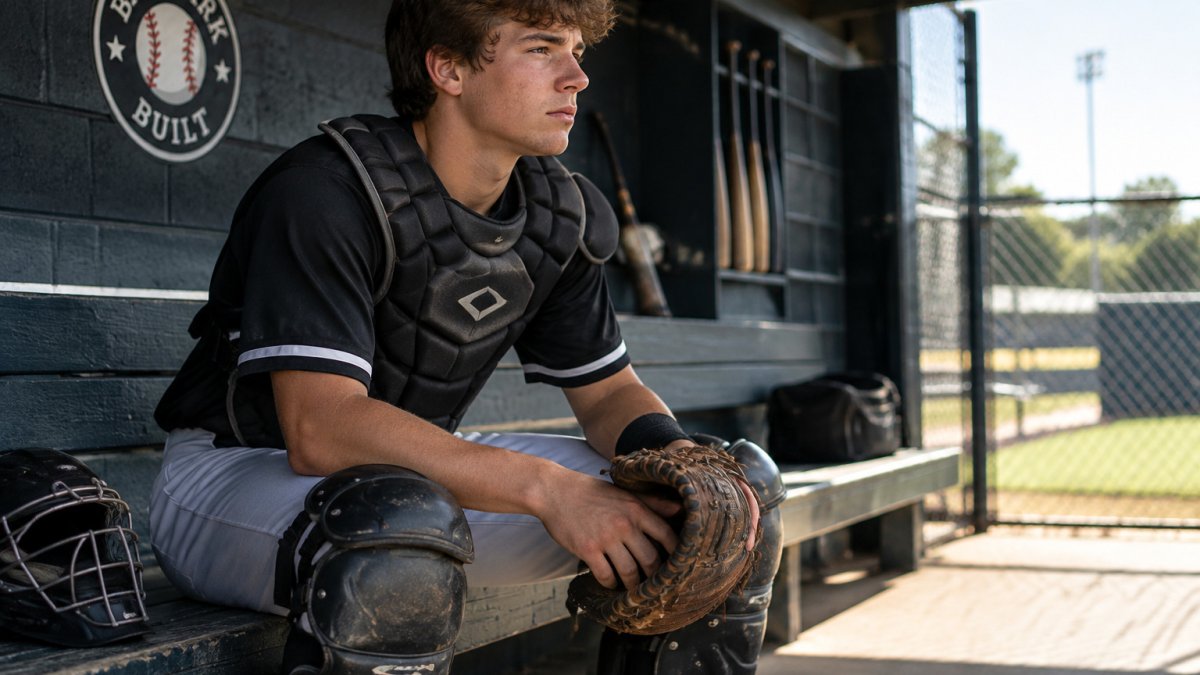
Are expensive baseball gloves worth it? Price alone does not make you a better player. More money often means better leather, a refined shape, and a feel some players prefer, but it never replaces skill, reps, and footwork.
What Price Actually Buys
Gloves fall into three tiers, and the differences are mostly materials and construction.
- Entry-level gloves use softer, thinner leather and synthetic linings; they break in fast but lose shape sooner.
- Midrange gloves use fuller-grain leather with better linings and stitching; they hold shape longer.
- Premium gloves use top-grade full-grain leather, often steer hide or kip leather, with tighter construction and position-specific patterns.
Where the Money Stops Mattering
Diminishing returns kick in fast: entry-level to solid midrange delivers a noticeable jump in feel, shape retention, and durability, while midrange to premium buys better leather and a refined pattern but a shrinking on-field gap. Past a point, you are paying for craftsmanship and cosmetics, not outs you would not otherwise make. A well-fitting, broken-in midrange glove will usually outperform a stiff premium glove that does not fit.
The Factors That Beat Price
- Fit and hand feel. Finger stalls that are too long or a wrist that will not cinch cost you control.
- Pocket shape and ball retention. A well-formed pocket matters more than a fancy stamp.
- Position-specific patterns. Outfield traps, infield pockets, and catcher's mitts are built for different jobs.
- Age and growth. A youth player may outgrow an expensive glove before it is fully broken in.
Watch out: don't assume a stiffer, pricier glove is better for a young player, a glove too stiff to close can hurt confidence and fielding mechanics early on. A more expensive glove is worth it when it fits, suits your position, and you play enough to wear it in and wear it out.
How to Break In Baseball Gloves Fast and Keep Them in Shape
A new glove is stiff, and that is normal. The goal is to shape the pocket and soften the hinges where your hand closes, not to soften the whole glove into a floppy mess.
A Practical Break-In Sequence
- Start with catch play. Regular throwing is the safest way to work the leather. Catch and release repeatedly, closing the glove around the ball each time.
- Work the pocket with a ball. Place a baseball in the pocket and wrap the glove around it with a rubber band or glove wrap for short sessions. This trains the pocket shape without over-softening the shell.
- Break the hinges, not the whole glove. Focus on the thumb-to-pinky closure and the web. Those are the spots that need to flex.
- Use a light conditioner sparingly. A thin coat on the leather helps keep it supple. Too much oil or conditioner can weigh down the leather and slow the break-in.
- Play catch often. Reps do more than any shortcut.
Expect the break-in process to take several weeks of regular use. high-end models may need a 6-10 week break-in period, according to The National Pastime Museum best baseball gloves guide. Softer entry-level gloves can feel game-ready in a fraction of that time.
Watch out: skip the oven, microwave, hot water soaks, and hammering. Heat and moisture can dry out or crack leather and ruin the shape you are building.
Care That Extends a Glove's Life
- Wipe off dirt after games. Grit works into stitching and leather over time.
- Condition a few times each season. A light application prevents drying and cracking.
- Store it in a cool, dry place. Avoid hot cars and damp garages.
- Keep the pocket shaped. Store the glove with a ball in the pocket between games.
- Address loose laces early. Re-lacing a worn web is inexpensive and can add seasons to a glove.
Why Care Changes the Value Math
Good care helps any glove last longer, and a conditioned, properly stored glove will generally hold up better than a neglected one.
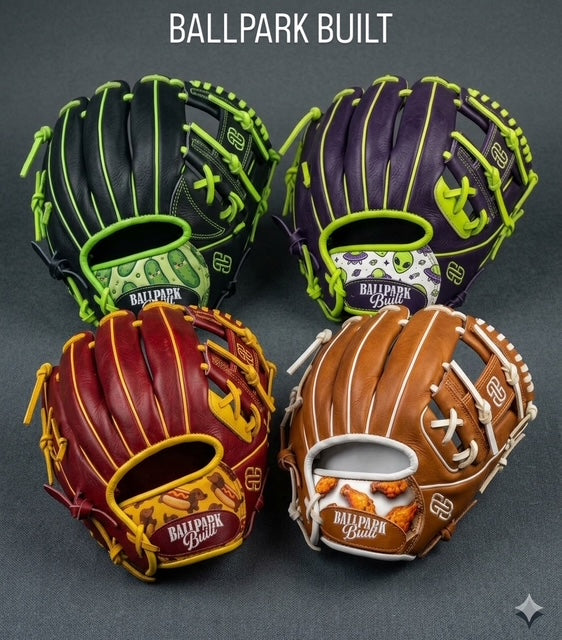
If you want your gear to look as sharp as it plays, our Ballpark Built Fielding Glove is built from premium full-grain kip leather with a game-ready pocket and comfortable fit, and it rewards the same care routine above. Pair it with our premium batting gloves and browse the fielding glove collection to round out your setup.
Here is a quick reference for the break-in sequence and the care habits that help a glove last.
| Step | What to do | Time or frequency |
|---|---|---|
| Start with catch play | Catch and release repeatedly | Regular throwing |
| Work the pocket | Wrap a ball in the glove with a rubber band | Short sessions |
| Break the hinges | Flex the thumb-to-pinky closure and web | Ongoing |
| Light conditioner | Thin coat on the leather, used sparingly | Sparingly |
| Play catch often | Reps do more than any shortcut | Several weeks |
Choosing Your Next Glove: Which Ballpark Built Fit Your Game
Start with your position, your level, and how often you play. A catcher's glove will not suit an outfielder, and a youth player may outgrow an expensive glove quickly.
Our Ballpark Built Fielding Glove is made from premium full-grain kip leather and built for practice, games, and everyday use. Its game-ready pocket and comfortable fit make it a strong pick for players who want their glove to stand out.
Want to check out our premium batting gloves too? Compare fit and style across your gear. For matching fit to position, read our college glove guide, and browse our fielding glove collection to find a match.
Frequently Asked Questions
Do expensive baseball gloves make a difference?
A higher price does not automatically make you a better fielder. Premium gloves often use better leather, more careful construction and a pocket that holds its shape longer, which can help with ball retention and durability over several seasons. For a young player who will outgrow a glove within a year or two, a mid-priced model is usually the smarter buy. The difference matters most for players who catch regularly at higher levels and plan to keep the same glove for multiple seasons.
How long does it take to break in a new baseball glove?
Break-in time depends on the leather, the glove's stiffness and how often you use it. Many players need several weeks of regular catching, light conditioning oil and gentle work to open the pocket. Premium gloves made from stiffer, heavier leather can take longer, while softer models are often game-ready sooner. Avoid heavy oiling early on, and work the glove in gradually before tournament season so it feels natural when it counts.
How do you maintain a leather baseball glove so it lasts?
Clean dirt off after games with a damp cloth, let the glove air dry away from direct heat, and condition the leather lightly every few weeks during the season. Store it in a bag or on a shelf rather than in a hot car. Re-shape the pocket with a ball when the glove is dry, and avoid over-oiling, which can soften the leather too much. Consistent care protects the leather and extends the life of any glove, premium or budget.
