
Last Updated: November 9, 2026
Quick Summary
Limited run baseball gloves are durable when the leather, stitching, and lacing are built to pro-level standards, not when the run size is small. At Ballpark Built, we build ours from premium full-grain kip leather with durable construction for everyday use, so a short production run never means a short lifespan.
- Check leather quality, seams, and lacing before buying any limited run glove.
- Wipe off dirt and infield dust after every game with a dry cloth.
- Apply a thin coat of glove oil or conditioner a few times a season, never soak it.
- Store your glove in a cool, dry place shaped around a ball to hold the pocket.
- Skip the microwave and car trunk, since heat dries out leather and cracks it.
Table of Contents
- What Actually Makes a Limited Run Baseball Glove Durable
- Baseball Glove Maintenance Tips That Extend Any Glove's Life
- Shop the Drop and Put a Small-Batch Glove to Work
- Frequently Asked Questions
What Actually Makes a Limited Run Baseball Glove Durable
Limited run baseball gloves are durable when the leather, stitching, and lacing are built to pro-level standards, not when the run size is small. At Ballpark Built, we build ours from premium full-grain kip leather with durable construction for everyday use, so a short production run never means a short lifespan.
The materials do the real work. Cognitive Market Research's 2026 glove market analysis notes a steady industry shift toward advanced, lightweight, and durable materials, including engineered leathers and synthetic blends. JustBallGloves' 2026 coverage of limited edition gloves reports that limited runs increasingly use pro-level materials and unique craftsmanship.
Durability comes down to a few checkpoints before you buy:
- Leather quality: the type and thickness of the leather shape how a glove holds up
- Seams: stitching at high-stress points matters
- Lacing: tight, quality laces help keep the pocket from loosening
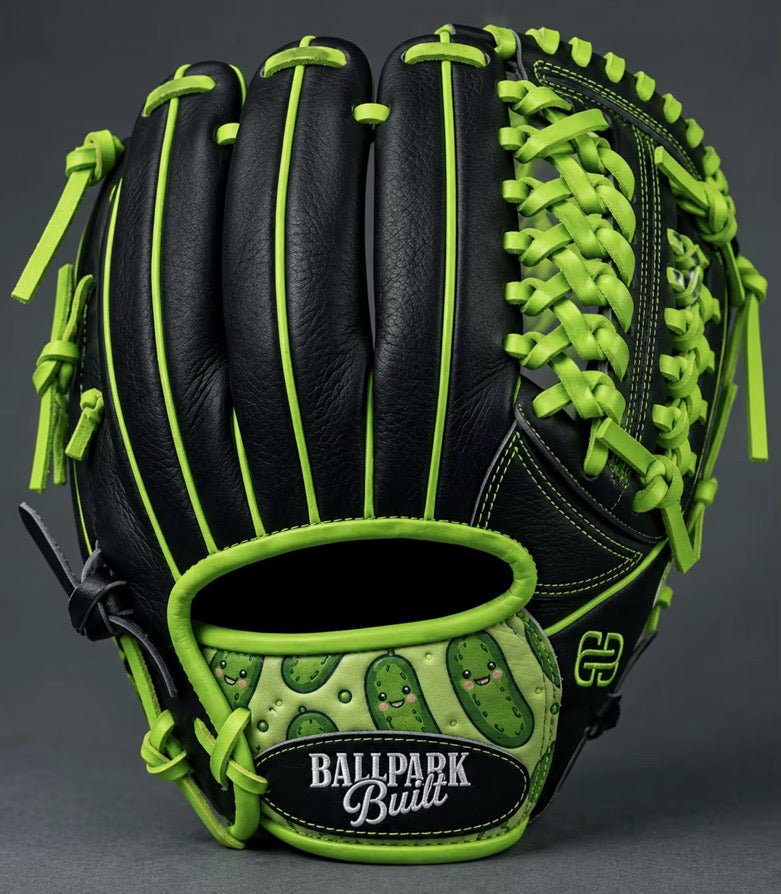
One honest caveat: some collectors buy limited-run gloves for display, not the field, which fuels the "overrated" talk in forums. That is a buyer choice, not a durability problem. Browse our custom baseball fielding gloves to see the leather and construction up close.
Durability comes down to a few checkpoints before you buy.
| Checkpoint | What to look for |
|---|---|
| Leather quality | Type and thickness shape how a glove holds up |
| Seams | Stitching at high-stress points matters |
| Lacing | Tight, quality laces keep the pocket from loosening |
| Construction | Premium full-grain kip leather with durable construction for everyday use |
Baseball Glove Maintenance Tips That Extend Any Glove's Life
Baseball glove maintenance tips matter more than the label on the glove. A well-cared-for limited run glove can outlast a neglected standard model, because most glove failure comes from moisture, heat, and bad storage rather than run size.
Keep these habits in rotation:
- Wipe off dirt and infield dust after every game with a dry cloth
- Apply a thin coat of glove oil or conditioner a few times a season, never soak it
- Store it in a cool, dry place, shaped around a ball to hold the pocket
- Skip the microwave and the car trunk; heat dries out leather and cracks it
- Re-lace worn sections early, before the pocket loses its structure
Dataintelo's 2025 baseball gloves market report points out that market innovation now targets durability while cutting break-in times from weeks to days, which makes proper care even more valuable for a glove you plan to keep for seasons. For a step-by-step walkthrough, read our guide on how to break in baseball gloves fast without ruining the leather.
Watch out: over-oiling is the most common mistake. A saturated glove gets heavy, loses its firm feel, and stretches out of shape faster than a dry one.
Shop the Drop and Put a Small-Batch Glove to Work
The best test of any glove is real reps, and a small-batch glove is no different. Our Ballpark Built Fielding Glove is made from premium full-grain kip leather with a game-ready pocket design, a comfortable fit with a secure feel, and durable construction for everyday use, priced at $190.00. It is built to be worked in, trusted, and taken to the ballpark.
If you're gearing up a whole squad, team pricing is available for orders of 12 units or more, so everyone can look as good as they play. Ready to see what's live right now? Shop the Drop to browse the current limited designs, or head straight to the Ballpark Built Fielding Glove to check it out for yourself.

The real question isn't whether a limited run glove can hold up. It's whether you're willing to pick one built from leather and stitching that earn their place in your bag. Ballpark Built makes that choice simple with premium full-grain kip leather, durable everyday construction, and small-batch designs you won't see on every field. Get started with Ballpark Built and put a glove to work that looks different and plays like it belongs.
Frequently Asked Questions
Does a limited edition baseball glove offer better performance than a standard model?
Limited status alone doesn't add performance. What matters is the leather and build: premium full-grain leather, reinforced seams, and solid lacing do the work. A well-made standard model can play just as well. Judge the glove by its materials and construction, not its rarity, and break it in properly before game day.
How does the leather quality in limited run gloves compare to mass-produced options?
It varies by maker. Some small-run gloves use pro-level leathers like full-grain kip or treated steerhide, while mass-produced models often use softer, split-grain leathers that break in faster but wear sooner. Check the leather type and thickness before you buy.
What factors contribute to the longevity of a high-end baseball glove?
Leather quality, reinforced seams and stitching, proper lacing, and how you store and care for the glove all matter. Keep it out of extreme heat, clean off dirt, condition the leather a few times a season, and avoid leaving it in a car trunk. Position-specific use also plays a role: a catcher's mitt takes more punishment than an outfield glove, so match the glove to how you play.
